981 Main St West, Hamilton, ON L8S 1A8, Canada.



)
)







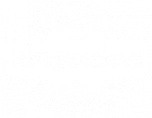

Midnight nears, just hours ahead of your yearly fundraiser. Spreadsheets stack high beside a tired organizer comparing names and payments by hand. Each attendee gets an email typed separately into the inbox queue. Morning arrives with two people checked in twice under similar spellings. Three others stand at the door without proof they ever paid. After it ends, numbers from donations linger uncounted for seven full days.
Ever felt like this? That’s what planning feels like when you’re missing proper support. Not only does it drain energy - every minute wasted adds up, budgets stretch thin, chances slip away.
A well-designed event platform might just sweep away those issues for good. This is what happens behind the scenes.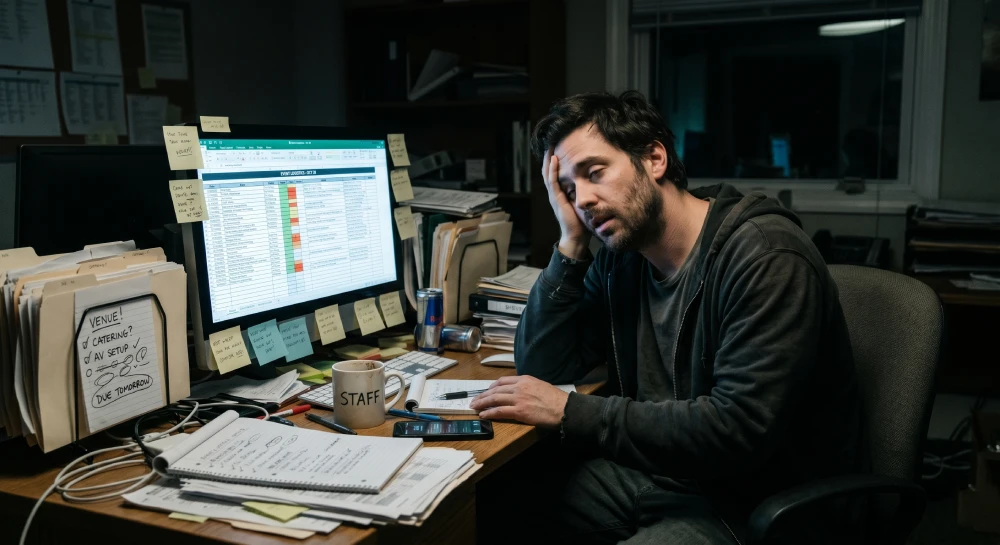
Software built for organizing gatherings, whether live or virtual, runs through every phase from start to finish. One tool might track sign-ups while also sending automatic updates when spots open. Handling money safely sits alongside features like scheduling speakers across different time blocks. People scanning entry badges at the door often rely on the same platform managing guest lists behind the scenes. After everything wraps up, reports show what worked using numbers pulled straight from activity logs. Some versions help teams assign tasks to helpers just as easily as they handle refund requests. Instead of juggling spreadsheets, organizers use a single place to update agendas and monitor who attended which part.
A solid EMS shifts everything for Canadian non-profits - suddenly tasks flow smoother. Cultural groups find breathing room in daily chaos when systems work quietly behind. Universities see gaps close, not because of grand plans but steady tools. Community associations thrive once effort stops being wasted on confusion. Corporate event teams move faster when structure supports instead of slows. Each group gains ground differently, yet all meet at efficiency.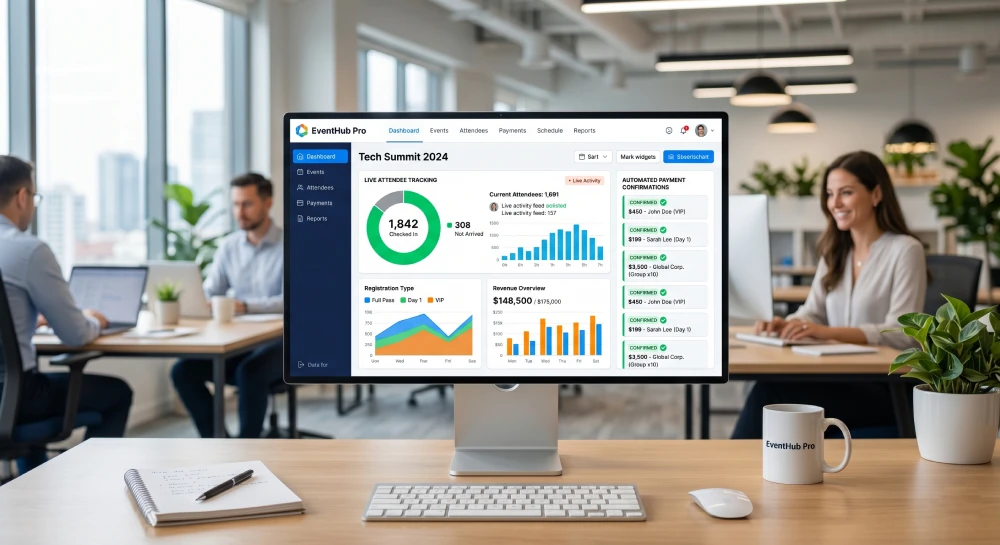
Here’s a clear picture. When your events person uses 5 hours for each gathering just to track sign-ups by hand, and there are 20 gatherings every year, it adds up to 100 hours - roughly two and a half solid workweeks - doing what programs can do without effort. Factor in their pay per hour and suddenly you see real money vanishing yearly, not even counting slips like overlooked entries, wrong data, or unhappy guests showing up confused.
Errors creep in when tasks stay hands-on. Mistakes like double sign-ups, overlooked fees, names misspelled on passes, or forgotten follow-up messages leave guests frustrated. Frustration sticks around long after the event ends. A single misstep can quietly erode trust in your team. Fewer people show up next time when word spreads. Reputation bends easily under small oversights.
Registration begins when guests visit your custom web page anytime, day or night, using whatever device they prefer. Because access never shuts down, people sign up whenever it suits them. Phone tags disappear. Handwritten forms vanish. Everything needed gets collected automatically the moment someone submits their details. Validation happens immediately, stopping errors before they stick. Each person is recorded without delay. While that runs silently in the background, your staff watches progress unfold visually on a central screen - no more email chaos piling up.
Right away, your sign ups link straight into PayPal or Stripe. As people register, money moves safely through secure channels. Each transaction triggers an instant receipt heading to the attendee. Your numbers stay current without delay in the background. Forgotten follow ups on missing payments fade out completely. Bank logs line up by themselves now, no hand editing needed.
After someone signs up, an email goes out right away without you doing a thing. As the event gets closer, they get reminders - timed by their sign-up date. A few days before it happens, details arrive straight to their inbox. Once it wraps up, a thanks message sends itself. These steps run like clockwork once turned on. Everything flows from one rule-based start point.
Picture this. Right after an event ends, numbers appear - no hunting through spreadsheets. Registrations sit neatly listed. Money counted shows up fast. Who bought which tickets? Clear now. Which sessions drew crowds? That too. Every bit feeds better choices later. Decisions grow sharper when facts arrive fresh. Reports skip delays - they just land. Past guesses fade with live details. Planning shifts because real patterns show. What worked stands out plainly. Even small trends get noticed early. Information flows without asking twice.
Once full, events shift new sign-ups to a waiting list without delay. Should someone drop out, the following name gets an instant message. Everything moves forward on its own. People stay informed by design, not effort.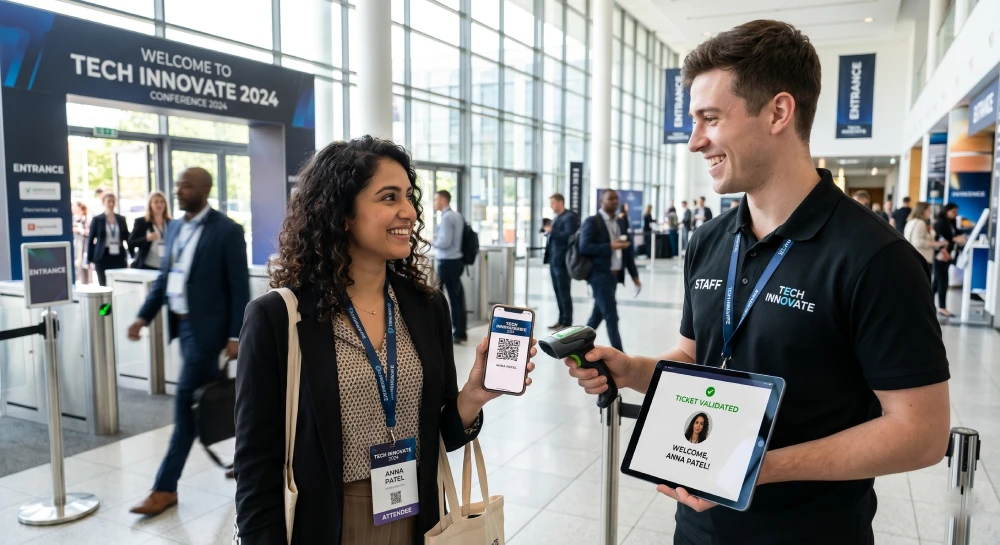
One way to handle basic gatherings is through apps such as Eventbrite. When groups run regular meetings, though, things get trickier. Multiple ticket levels can break standard systems. Pricing that changes based on membership status often needs custom fixes. Internal sign-off steps? Most ready-made software does not support those. Events across several places add another layer of mess. Linking attendee data back into member records usually requires more power than generic platforms offer.
One way to handle events is through a tailored tool made by Hrinfocare - this fits right into your current site. It looks like your brand because it adapts to your colors and style. Since it runs on your rules, every step happens just how you plan. Fees based on tickets? Those never show up here, so more income stays yours.
Fundraisers hosted by charities often fill evenings with music and speeches. Festivals tied to heritage or faith bring neighbors together through food and stories. Campus newcomers find their way during welcome weeks shaped by school staff. Learning sessions led by company teams build skills one topic at a time. Weddings arranged by local groups mix tradition with shared effort. Career expos on college grounds link students with future paths quietly forming. Certification courses run by businesses test knowledge in focused bursts. Annual meetings of member-based networks echo past themes while shifting tone. Community dinners organized by neighborhood circles rely on familiar faces helping out. Workshops guided by instructors unfold slowly, step after careful step.





(1).png)
.png)












(2).png)
.png)
.png)


_page-0001 (1) (1).png)











(1)(1).png)





.png)
)
)