981 Main St West, Hamilton, ON L8S 1A8, Canada.


)
)









Your site might be the first thing a visitor notices about your business. Picture it like a shop window open all day, every day - also doing the talking. Yet how well does it work if it looks old-fashioned, stumbles through its message and disappears when someone tries to find it?
People just don't pay attention.
A stale site that runs slow isn’t just ugly - it chases away customers, kills revenue, plus wrecks trust. When you’re unsure about upgrading, check these ten solid clues showing a overhaul’s overdue.
1. Your Website Isn't Mobile-Friendly
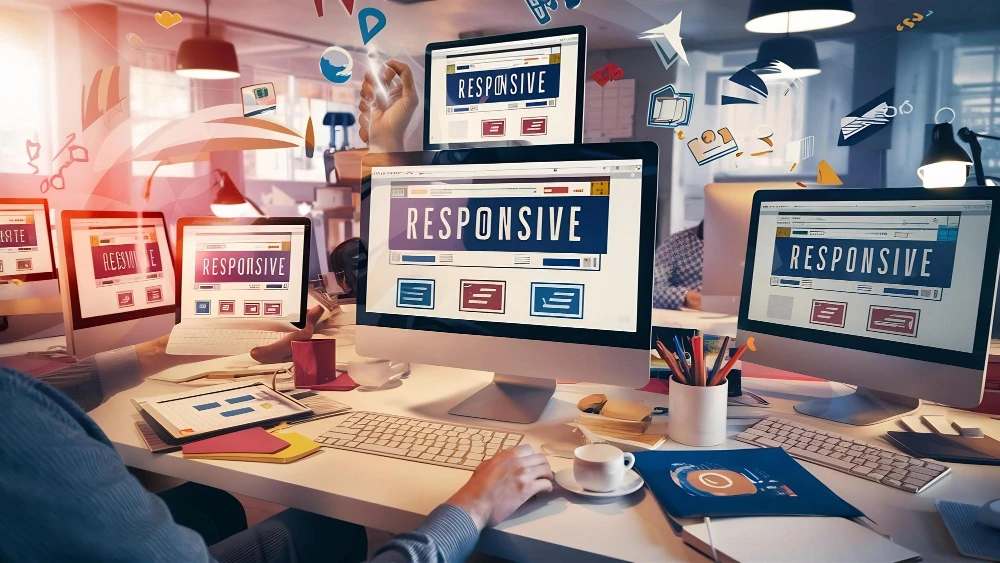
Pull up your site on your mobile - go ahead, try it now. Still squinting at tiny words? Need two fingers just to make things legible? Buttons feel like they’re built for ants? When tapping feels frustrating, that’s not a glitch - it’s a red flag.
Most web visits now come from phones - over six out of ten. What’s more, Google checks the phone version first when deciding where your page shows up. When that version doesn’t work well, your spot in results drops.
2. It's Painfully Slow to Load
We've all been there - tapped a link, sat through silence… then left before it loaded. Slow sites aren’t merely annoying - they shape how people feel about using them.
Google sees how fast your site loads when deciding where to rank it. When pages take too long, most visitors hit back right away - search engines notice that, figuring folks don’t find what they need there. That messes up your visibility online along with fewer people actually signing up or buying.
3. Your Branding Looks Old (or Inconsistent)
Is your site still rocking that logo from 2015? Do the colors seem dull, messy, or kinda outdated? How your website looks shows whether your brand feels current.
Old-school looks can make your company seem outta touch. When logos, shades, or typefaces don’t match, people get mixed signals - trust takes a hit. Updating the design keeps things sharp, clear, and working together.
4. It's a Maze to Navigate (Poor UX)
User Experience (UX) means building a site that’s simple to navigate. When someone lands there for the first time, could they spot your phone number fast - like under ten seconds? What about your service offerings - are they laid out plainly? Suppose the navigation throws them off or vital details are hidden halfway down; then people feel stuck, annoyed, maybe even quit on the spot.
If folks struggle to locate stuff, they’ll skip buying - no doubt. Still, smart updates aim at smooth layout flow along with obvious prompts pushing visitors forward.
5. You're Not Getting Any Leads or Conversions
Your website’s gotta bring in leads - plain and simple. Is anyone actually submitting that contact form? What about joining your email list or buying something? When folks visit but don’t take action, it’s probably because the layout feels off or the message just isn’t clicking.
A site that isn’t bringing in sales? It’s basically a costly online flyer. Redoing it zeroes in on boosting conversions - smart positioning of sign-up fields and calls to action helps shift browsers into buyers.
6. It's Difficult for You to Update
Need to phone up a coder - then sit around for 72 hours - just to toss up a fresh article or tweak when you're open? A site oughta move with your biz, not gather dust like some old online relic.
Here’s the problem: when updating your site feels tough, you’ll skip it. That leads to outdated pages - bad news for search rankings. But tools such as WordPress or Mura let you tweak things on the fly.
7. It's Not Secure (No HTTPS)
Check the web address up top in your browser - does it kick off with http:// or https://? The extra "s" tells you the site’s locked down, plus that detail matters way more now than before.
Here’s why it’s problematic: Web browsers such as Chrome often alert people your http:// page isn’t safe - these warnings scare off guests, wrecking confidence fast. On top of that, search results favor websites using HTTPS instead.
8. Your Competitors' Websites Are Better
This one’s easy - check out your three main rivals. When their sites run smoother, load quicker, or feel newer than yours, they’re grabbing your customers daily.
Here’s why it backfires: when folks size up two options side by side, they tend to go with whoever seems put together and reliable - no surprise there. That first impression? Your site plays a big role in shaping it.
9. Your Bounce Rate is Sky-High
In Google Analytics, does your "bounce rate" - how many people check one page then bounce off - seem way too high? That’s a solid hint your website isn’t doing what visitors actually want.
A high bounce rate signals to Google that your page doesn’t match what people searched for - maybe it loads too slowly, looks confusing, or just talks about something different than expected.
10. It Lacks Modern Features
The web keeps changing. So, is your site keeping up - got things most sites already include? Think quick-dial links when viewed on phones, built-in articles section, or live updates pulled from platforms like Instagram or X?
Missing out on these perks leaves your website feeling clunky, plus it gives off outdated vibes for your company. Use a revamp to bring in fresh tech - stuff that actually helps users get things done without hassle.
Is It Time for a Change?
If you were agreeing with several of these things just now, that’s telling. Your site isn’t helping - lately, it’s been dragging you down instead.
A makeover goes way beyond looking new - it boosts the key tool your company uses online.
What if you could create a site that truly boosts your sales?
The folks behind Hrinfocare focus on building sleek, quick sites - ones that keep users safe while guiding them to buy. Instead of just showing info, their work pulls people in, making browsing lead to action through smart design choices.
Get in touch now for a no-cost checkup of your site - find out how fresh styling might boost your results




(1).png)

.png)











(2).png)
.png)
.png)


_page-0001 (1) (1).png)











(1)(1).png)





.png)
)
)