981 Main St West, Hamilton, ON L8S 1A8, Canada.



)
)









In the year 2026 the idea of Citizen Development is around us. We see advertisements, for platforms that say you can make a Customer Relationship Management system in one afternoon without having to write any code at all. Citizen Development is really popular now. These platforms are talking about it everywhere.
For startups or internal tools used inside a company, Low-Code and No-Code platforms can be very appealing. These platforms are affordable, fast to build with, and easy to use.
However, established businesses that plan to scale often discover a limitation.
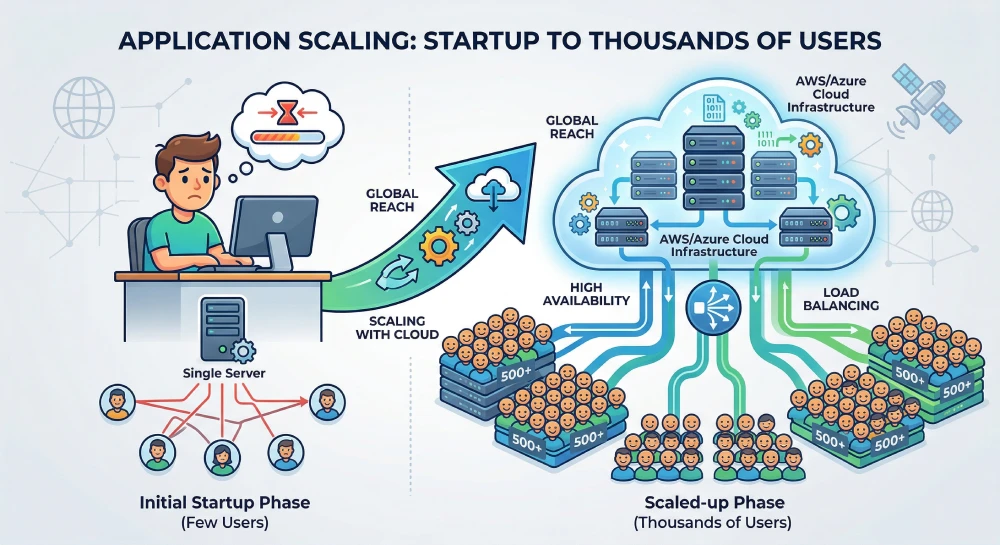
Many companies approach Hrinfocare after hitting what we call the “Low-Code Wall.” Their application worked well when there were only 50 users. But once the platform needs to support thousands of users, problems begin to appear.
The application becomes slow. It may crash frequently. Adding new features becomes difficult because the platform does not support the functionality required.
At that stage, the Low-Code platform becomes a limitation rather than a solution.
When planning a software project, businesses must decide whether to build quickly with Low-Code platforms or invest in fully customized software built specifically for their needs.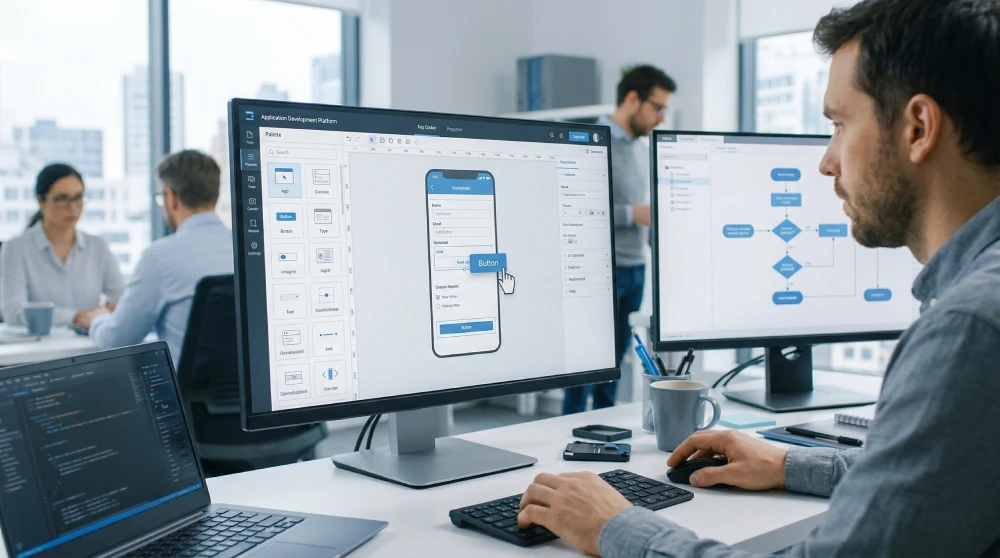
Low-Code platforms such as Bubble, OutSystems, or Microsoft Power Apps work a lot like LEGO sets. They provide pre-built blocks that developers or business users can assemble to create applications quickly.
This approach allows teams to focus on assembling features rather than writing every piece of code from scratch.
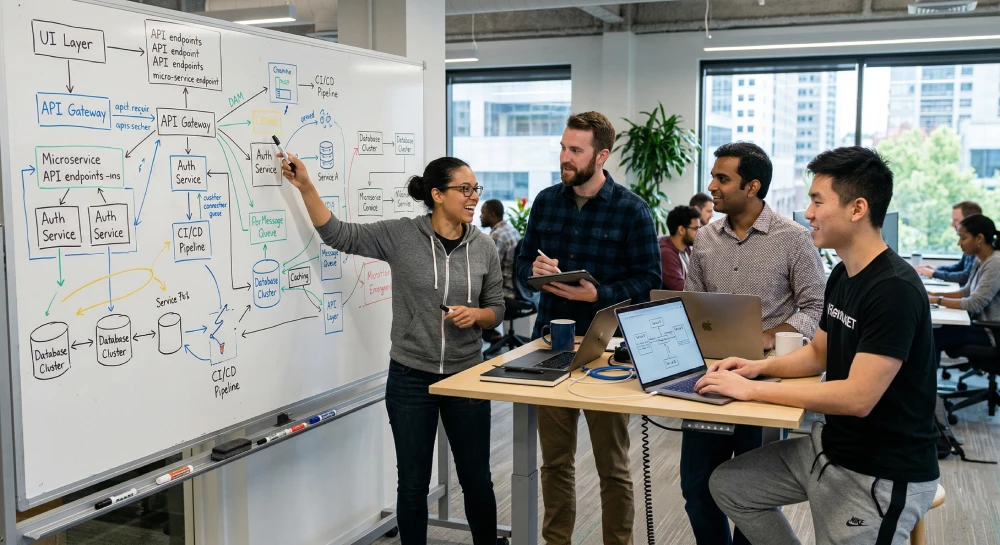
Custom software development is similar to hiring an architect to design a house exactly the way you want it. Every feature is built specifically for your business.
This approach gives organizations complete control over the functionality, performance, and scalability of their software.
Low-Code platforms may appear affordable at first, but long-term costs can increase significantly.
Many platforms charge fees for every user accessing the system. While this might be manageable for small teams, costs can grow quickly as the company expands.
For example, a company with 100 users might end up paying thousands of dollars per month in licensing fees.
When the platform cannot support a required feature, businesses often spend time and money creating workarounds. These solutions can become complicated and inefficient over time.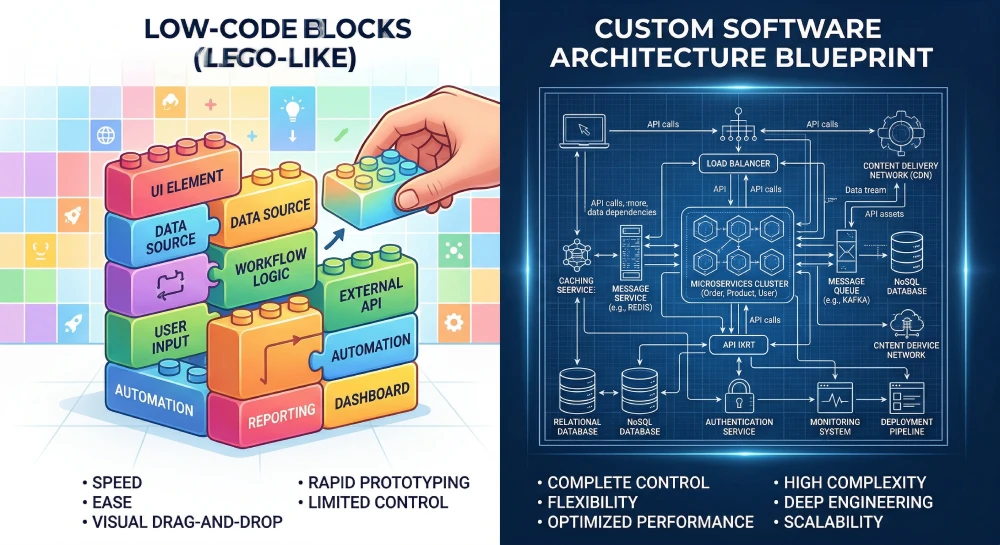
If you are building something temporary, a quick Low-Code solution may be enough.
But if you are building a long-term platform that must support growth, scalability and advanced functionality, custom software development is often the better choice.
At Hrinfocare, we specialize in building scalable custom software solutions designed to grow with your business. Our development approach focuses on creating reliable, high-performance systems that support long-term success.
If your organization has reached the Low-Code Wall, our team can help migrate your application and data into a robust custom platform built specifically for your needs.
Consult Our Solution Architects





(1).png)
.png)









(2).png)
.png)
.png)


_page-0001 (1) (1).png)











(1)(1).png)




.png)
)
)