For a time the best way to sell things online was to have an app on the App Store. Companies spent a lot of money making apps for Apple and Android phones. But then they found out something it is really hard to get people to download an app. The gold standard for selling things was all, about getting on the App Store.
In 2026, App Fatigue is a very real challenge. People are getting tired of downloading heavy applications that take up valuable phone space just to make a simple, one-time purchase. What consumers really want to cure their App Fatigue is speed, convenience, and instant access to what they need right away.

Enter the Progressive Web App (PWA).
PWAs have blurred the lines between websites and mobile apps. They give users the look and feel of an actual app, lightning-fast performance, and the convenience of being accessible directly through a browser. Big brands like Starbucks, Pinterest, and Uber have already transitioned to using Progressive Web Apps with massive success.
But is a PWA the right choice for your business? Let’s break down the battle of Progressive Web Apps versus Native Apps to help you choose the best vehicle for driving your sales.
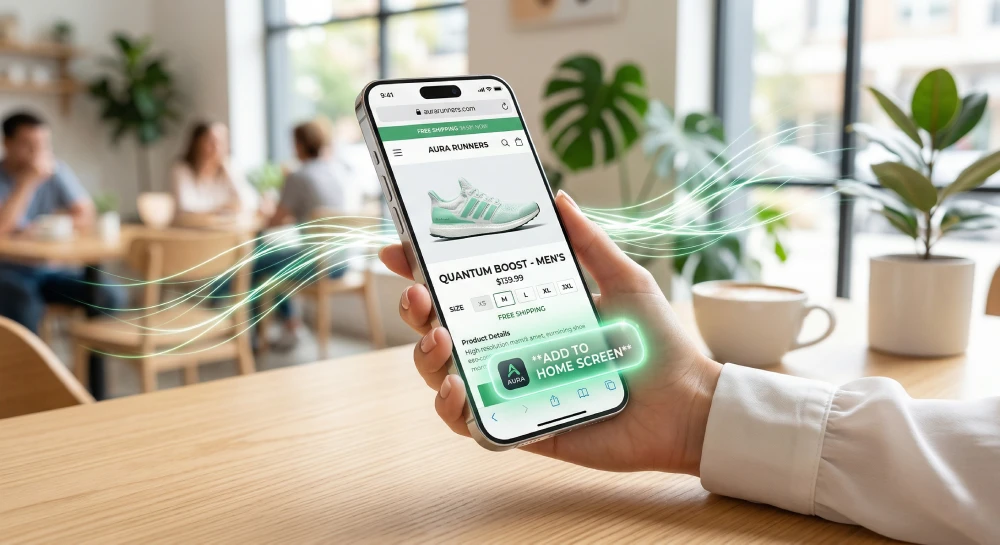
1. What is a PWA? (In Simple Terms)
A Progressive Web App is essentially a website that acts like an app. It performs functions on your phone or computer that a standard website usually cannot do. Key features include:
- No Downloads Required: Users do not have to visit an App Store. They can access the PWA directly through internet browsers like Chrome or Safari.
- Add to Home Screen: For easy access, users can tap "Add to Home Screen," placing an installable icon right next to their native apps like Instagram or WhatsApp.
- Offline Capabilities: The website caches (saves) data, allowing people to browse products even when their internet connection is weak or completely offline.
2. The Case for PWA: Reach and Cost
For many Small to Medium Enterprises (SMEs), PWAs are the superior choice in 2026 due to their efficiency and reach.
- Lower Development Cost: You create one Progressive Web App that works seamlessly across iPhone, Android, Desktop, and Tablet. By not needing separate iOS and Android development teams, you can cut your budget by 50% to 70%.
- No App Store Fees or Delays: You don't have to wait for Apple or Google to approve your updates; changes go live immediately. Furthermore, you avoid paying the standard 15% to 30% revenue cut mandated by traditional App Stores.
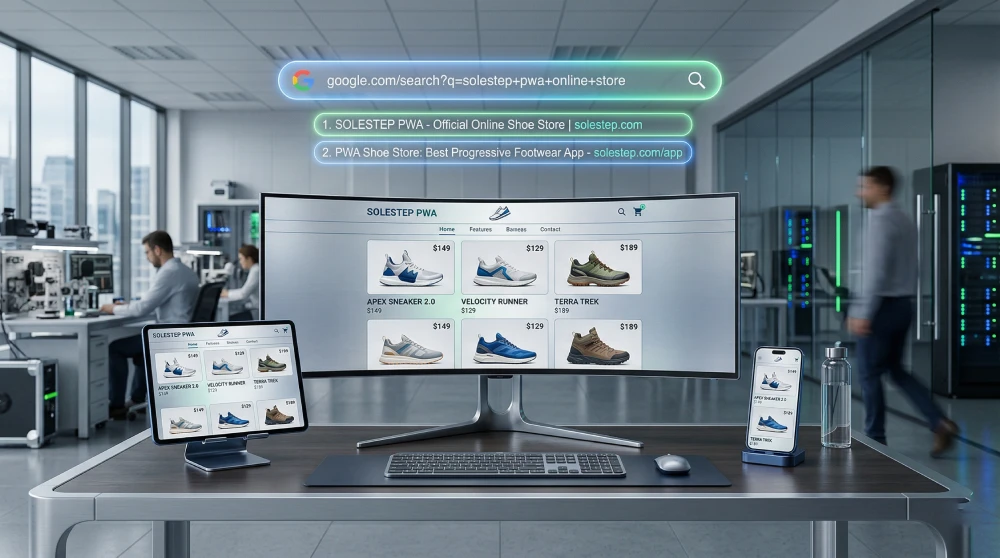
- Superior Discoverability: Unlike Native Apps confined to App Stores, PWAs live on Google Search. If someone searches for "running shoes in Hamilton," your PWA can appear directly in the search results, driving powerful organic traffic.
3. The Case for Native Apps: Power and Prestige
The Native App is certainly not dead. Built with languages like Swift, Kotlin, Flutter, or React Native, they still hold crucial advantages for specific use cases.
- High Performance: For complex games or heavy virtual try-on features, Native is superior. It connects directly to the device's Graphics Processing Unit (GPU) for seamless visual rendering.
- Advanced Device Integration: Native apps work more smoothly for complex background tasks like advanced Bluetooth connectivity, continuous background geofencing, and deep contact syncing.
- Prime Real Estate: Having your brand's icon permanently on a user's home screen is valuable. Highly loyal customers who download your app generally spend three to four times more money than mobile website users.

4. The Final Decision: Which One Do You Actually Need?
Choose a PWA if:
- You run an e-commerce store with a limited development budget.
- Your primary goal is Customer Acquisition (attracting new visitors directly from Google search).
- Your products do not require complex device features (like heavy 3D rendering or high-security integrations).
Choose a Native App if:
- You have a highly loyal, returning customer base.
- Your primary goal is Customer Retention and deep daily engagement.
- You require advanced security features like Biometric Authentication (FaceID for banking) or complex, heavy UI animations.
5. The Hybrid Approach
In 2026, the smartest businesses don't just pick one-they phase them. A highly effective strategy is to do things in stages:
- Stage 1: Start with a PWA. Build a lightning-fast Progressive Web App to capture organic traffic from Google and easily convert casual visitors.
- Stage 2: Upgrade to Native. Once you have built a strong base of repeat customers, create an exclusive Native App featuring premium tools and loyalty rewards to make your best customers feel even more special.

How Hrinfocare Can Help
At Hrinfocare, we offer comprehensive solutions to make managing and growing your business easier. From core business operations to cutting-edge tech, our expert teams are here to support you.
- Business Solutions: We take the stress out of internal management by handling critical tasks like timely payroll processing and managing employee benefits, including health insurance and retirement plans.
- Digital Strategy: We know that a "one-size-fits-all" approach doesn't work. We analyze where your traffic comes from and what your business goals are. Whether you need a lightning-fast PWA to boost your Google rankings or a sophisticated Native App to engage your most loyal users, the expert developers at Hrinfocare have the skills to build a high-quality product your customers will love.
Let us take care of the heavy lifting so you can focus on what you do best.
FAQs
A Progressive Web App (PWA) is a web-based application that works through a browser but offers an app-like experience, while a native app is built specifically for platforms like Android or iOS and is downloaded from app stores.
It depends on your business goals. PWAs are ideal for reaching new users quickly and improving conversions, while native apps are better for customer retention, loyalty programs, and repeat engagement.
PWAs can load faster initially because they use caching and don’t require installation. However, native apps generally perform better for complex tasks or heavy processing.
Yes, PWAs are indexable by search engines, which helps improve organic traffic and visibility—something native apps cannot achieve directly.



)
)














(1).png)

.png)
















(2).png)
.png)
.png)


_page-0001 (1) (1).png)













(1)(1).png)





.png)
)
)