981 Main St West, Hamilton, ON L8S 1A8, Canada.


)
)









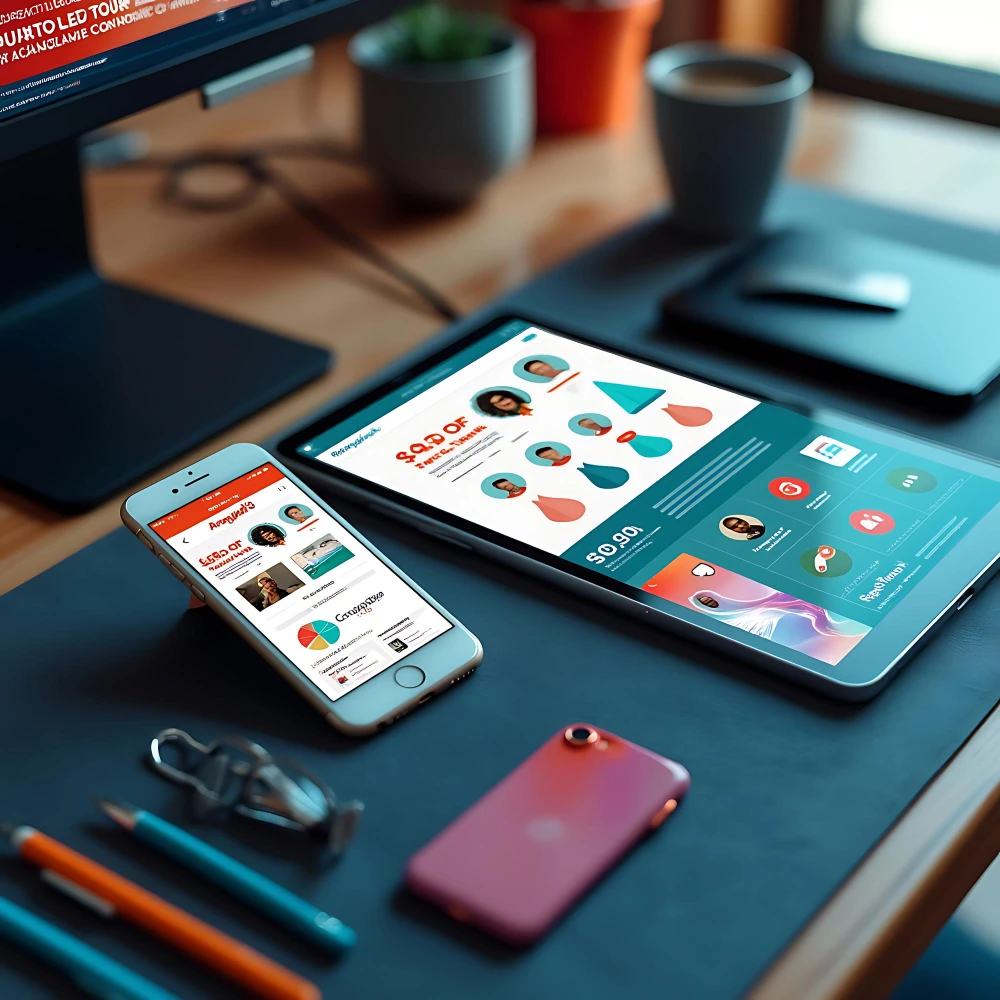
In web design, people throw around fancy terms all the time. "Responsive" along with "mobile-first"? Super popular - yet folks mix them up constantly. Truth? They’re not the same thing - they tackle one big challenge in separate ways: getting your site to run smooth when it’s not viewed on a desktop machine.
Folks aren’t devs but still need this know-how - anyone running a shop online must get it straight if they wanna climb up Google results while keeping visitors happy.
Let’s go over what each word stands for - then focus on which fits your company best.
A site shaped by responsive design changes itself depending on what device you're using - so it fits neatly whether you’re on phone, tablet or desktop.
Here's how it goes: Picture starting big - "desktop-first," if you will. You build the look on a wide monitor first. After that, stuff shifts around when things shrink; blocks pile up, navigation adapts, visuals scale down - so everything still fits nice on phones or tablets.
A bit like clothes meant to fit anyone - adjusts itself, either tighter or looser, depending on who's wearing it.
This used to be the top choice for a long time. Yet it made sure your site worked well on phones, fixing the frustrating zoom-in, zoom-out mess from older fixed layouts.
Making phones the priority? Yeah, that’s what this approach is all about - turns old-school design upside down.
Here's how it goes: designing kicks off on a tiny display - say, your phone - then moves on to bigger ones, such as tablets or computers.
The comparison? Think of crafting a small, smooth-working hub - the mobile page - then tossing on additional sections and upgrades when room opens up, kind of like expanding later.
This method pushes you to rank what matters. With little space, extra stuff won’t fit. So pick only key info while keeping menus easy using clear paths instead.
This isn’t merely a styling fad - instead, it’s built into today’s search engine strategy.
The basic truth? Google runs on mobile-first indexing.
This means when Google scans sites to decide rankings, it checks your phone-friendly page before anything else - its focus shifted away from the computer-sized layout.
If your phone website loads slowly, feels tricky to use or leaves out info found on the desktop version - something often seen with outdated responsive designs - Google ranks you by how bad it works on mobile.
A mobile-focused setup means Google sees a quick, tidy version packed with your key details - so you rank higher by staying ahead.
In 2026, skipping mobile-first isn't possible - being focused on phones is now a must.
A site works best when it’s built for phones first - this approach sets the tone. Yet without flexible coding, even a phone-focused layout can fall flat elsewhere; so the structure must shift smoothly across devices. Designing tiny screens early forces smarter choices. When done right, those smart picks improve the whole experience no matter the gadget someone uses.
Stuck with a site that only works on big screens? It’s time to move up - your visitors check you out on mobile, plus search engines do too.
If your website’s been around a while, chances are it started out focused on big screens. Every single day, you might be dropping search spots or missing out on visitors - without realizing why.
The Hrinfocare crew crafts every site starting with mobile in mind. So we make them quick, fresh, yet fully adaptable - looking sharp exactly where users spend time: right on their phones.
A quick check - no cost, no pressure - shows how well your site runs on phones





(1).png)

.png)
















(2).png)
.png)
.png)


_page-0001 (1) (1).png)













(1)(1).png)





.png)
)
)